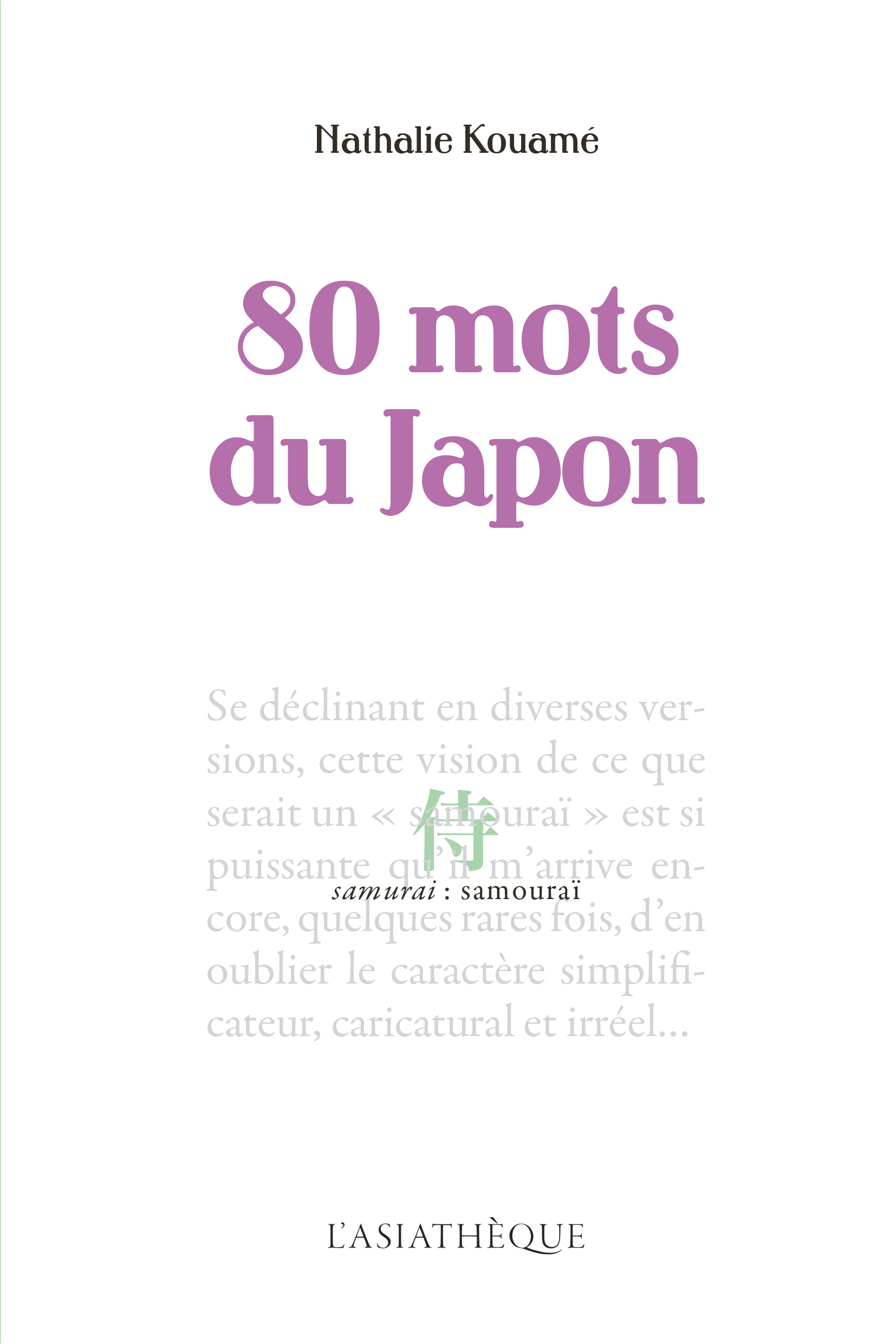
Details
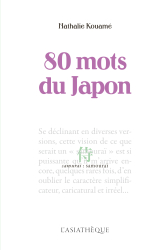
Format: Paperback
ISBN: 9782360574292
Collection: 80 mots du monde
12 x 18 cm
Weight: 194 gr
Pages: 200
First publication: 22/10/2026
CLIL: 3718
‘My relationship with the Japanese language is not merely that of a historian […]. History was not my profession when I first set off for Japan, without knowing a single word of Japanese, and when, as soon as I returned to France, I learnt the language at INALCO. Today, the opportunities I have to read, speak or write Japanese often extend beyond the scope of my professional activities. It is therefore only natural that, in the accounts that follow, I also mention words purely for the sentimental, literary, aesthetic or existential value I attribute to them. So, for once, rather than writing history, I am telling a story – my own. »
(excerpt from the author’s foreword)
‘Nathalie Kouamé did not seek to be Japanese like Japanese women, to imitate or mimic, to pretend to be something she was not, or to put on an act. By embracing her status as a foreigner in every possible way, she did not distance herself from her Japanese interlocutors, but rather reassured them by establishing a socially and mentally accepted framework […]. This approach proves invaluable for gathering information, opinions and confidences distilled through the words chosen in a subtle blend of factual descriptions, heartfelt outpourings and anecdotes that draw us into the heart of the matter, all sprinkled with a refreshing sense of humour.”
(excerpts from the foreword by Philippe Pelletier)
CONTRIBUTORS' BIOGRAPHIES
Nathalie Kouamé
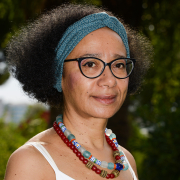
It was during a trip to Japan at the age of 19 that Nathalie Kouamé, a lecturer at Paris Cité University, began her career as a historian. Her study of the Japanese language, numerous visits to the archipelago and extensive research into medieval and modern Japan – particularly the history of religion in Japan during the 16th and 17th centuries – have given her a deep familiarity with the country, which has inspired many of her publications. She has also devoted herself to comparative history and (co-)edits the Encyclopédie des historiographies: Afriques, Amériques, Asies. Since 2025, she has been co-editor of the ‘Nouvelle Clio’ series published by Presses universitaires de France.
Philippe Pelletier
Philippe Pelletier is an internationally renowned geographer and Japanologist. In 2023, he was awarded the Grand Prix of the Geographical Society in recognition of his life’s work.
TABLE OF CONTENTS
Table des matières
Préface de Philippe Pelletier
Avant-propos de l’autrice
La langue parlée, écrite, imagée
1 言葉 • kotoba : mot, langage, langue, parler
2 勉強 • benkyō : étude(s), travail
3 蛙 • kaeru, kawazu : grenouille, crapaud
4 漢字 • kanji : lettre des Han, caractère chinois
5 ぺこぺこ • pekopeko : être obséquieux, avoir une faim de loup
6 ありがとう・有り難う • arigatō : merci (bien)
7 手紙 • tegami : lettre
8 翻訳 • hon.yaku : traduction
9 書道 • shodō : calligraphie
10 葦手 • ashide : écriture en forme de roseau
Le voyage
11 私 • watashi : je, moi, mon, ma, mes
12 道 • michi : chemin, route, voie
13 旅 • tabi : voyage
14 映画 • eiga : cinéma, film
15 オーバーツーリズム • ōbātsūrizumu : surtourisme
16 夢 • yume : rêve, songe
17 古里・故郷 • furusato : terre natale, lieu où l’on a vécu
18 神社 • jinja : sanctuaire [shintō]
19 城 • shiro : château
20 留学 • ryūgaku : études à l’étranger
Les rencontres et les liens
21 先生 • sensei : maître, professeur
22 教授 • kyōju : enseignement, professeur
23 もてなし • motenashi : hospitalité
24 アンケート • anquēto : enquête, questionnaire
25 外人 • gaijin : étranger
26 推薦 • suisen : recommandation
27 リーダー • rīdā : leader
28 飲み会 • nomikai : soirée arrosée, pot, beuverie
29 分かりました • wakarimashita : j’ai compris, je vais m’en occuper
30 女性 • josei : femme
Le métier d’historien
31 昔 • mukashi : passé, autrefois
32 想像力 • sōzōryoku : imagination
33 史料 • shiryō : document historique, source, archives.
34 詳しい • kuwashii : détaillé, être versé dans
35 沈黙 • chinmoku : silence, se taire
36 宗教 • shūkyō : religion
37 崩し字 • kuzushi-ji : écriture cursive
38 拓本 • takuhon : estampage
39 本 • hon : livre
40 書く・描く • kaku : tracer, dessiner, peindre, écrire, composer
L’histoire du Japon
41 日本史 • Nihon-shi : histoire du Japon
42 侍 • samurai : samouraï
43 天皇 • tennō : souverain céleste, empereur
44 中世 • chūsei : Moyen Âge
45 一揆 • ikki : ligue jurée, révolte
46 明治 • meiji : gouvernement éclairé
47 差別 • sabetsu : discrimination
48 キリシタン • kirishitan : [premiers] chrétiens [du Japon]
49 戦争 • sensō : guerre
50 国家 • kokka : État, nation, pays
Les paysages
51 月 • tsuki : lune, clair de lune, mois, menstrues
52 島 • shima : île
53 山 • yama : montagne, mine, mausolée, forêt, point culminant, char [portatif]
54 海 • umi : mer
55 霧 • kiri : brouillard
56 田舎 • inaka : campagne, terre (ville) natale
57 田んぼ • tanbo : rizière
58 お寺 • o-tera : temple [bouddhique]
59 鳥居 • torii : perchoir, torii
60 竹・笹 • take, sasa : bambou
La vie quotidienne
61 お辞儀(を)する • o-jigi (wo) suru : s’incliner
62 楽 • raku : confortable
63 百貨店 • hyakkaten : grand magasin
64 畳 • tatami : tatami
65 日本料理 • Nihon ryōri : cuisine japonaise
66 年号 • nengō : nom d’une ère [impériale]
67 見本 • mihon : réplique d’un plat
68 漫画 • manga : manga, bande dessinée japonaise
69 お土産 • o-miyage : souvenir [offert en cadeau], cadeau
70 ゴキブリ • gokiburi : blatte [japonaise]
Les objets et les images
71 美 • bi : beau, beauté
72 付喪神 • tsukumogami : vieil ustensile démoniaque
73 刀 • katana : sabre
74 紋・紋章 • mon, monshō : armoiries
75 歴史手帳 • rekishi techō : agenda d’histoire
76 扇・団扇 • ōgi, uchiwa : éventail pliant, éventail plat
77 テレビ • terebi : télévision
78 和服 • wafuku : vêtement japonais, kimono
79 電子辞書 • denshi-jisho : dictionnaire électronique
80 その他 • sono hoka : et autres
COLLECTION
80 mots du monde
ISSN : 2650-4790New books / Upcoming
€29.50
€20.00

€19.50
€29.50
€16.50
€16.50
€16.50